


Blue wave won’t end tariff chaos, warns California’s port king
Blue wave won’t end tariff chaos, warns California’s port king

Christopher JasperSun, November 8, 2026 at 9:00 AM UTC
0
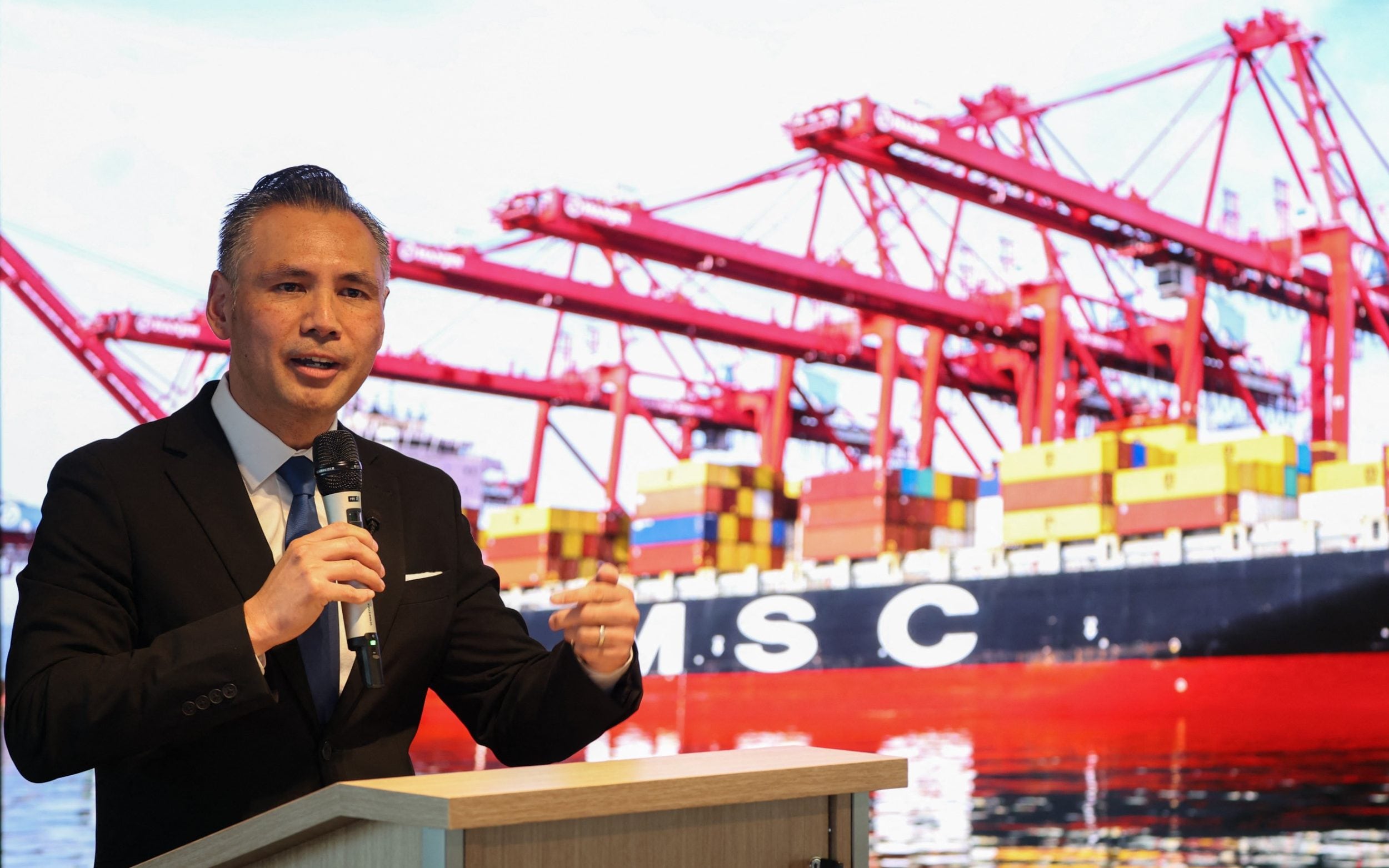
Noel Hacegaba, chief executive of the Port of Long Beach, called for a permanent end to US trade wars and war in the Gulf - AFP via Getty Images/Patrick T Fallon
Donald Trump’s rout in the US midterm elections is unlikely to end tariff turmoil and the dislocation of world trade, the boss of one of America’s largest ports has warned.
Noel Hacegaba, the chief executive of the Port of Long Beach, said confusion over future tariff plans – together with disruption from the Iran war, threats to ships in the Red Sea and logjams in the Panama Canal – would continue to disrupt supply chains.
Mr Hacegaba said pressure on shipping would only ease if the White House signalled a permanent end to its trade wars with China and pursued a lasting settlement in the Gulf.
Asked about the midterms, the port chief said that while he could not predict how the changing political dynamic in the US would play out, it was apparent that voters wanted to see trade issues ironed out. Cost of living and inflation were key factors driving a swing to the Democrats.
Mr Hacegaba said: “Containers follow the path of least resistance, they always find a way. And people continue to buy things. So I don’t see consumption coming to a screeching halt.
“But I think it became clear in the election cycle that these global issues were viewed as important by the electorate.”
Mr Hacegaba, a lifelong Beatles fan who spoke at the World Ports Conference in London before visiting Abbey Road studios, said that while he hopes for a resolution, trade patterns at his port suggested companies were not betting on a quick fix.
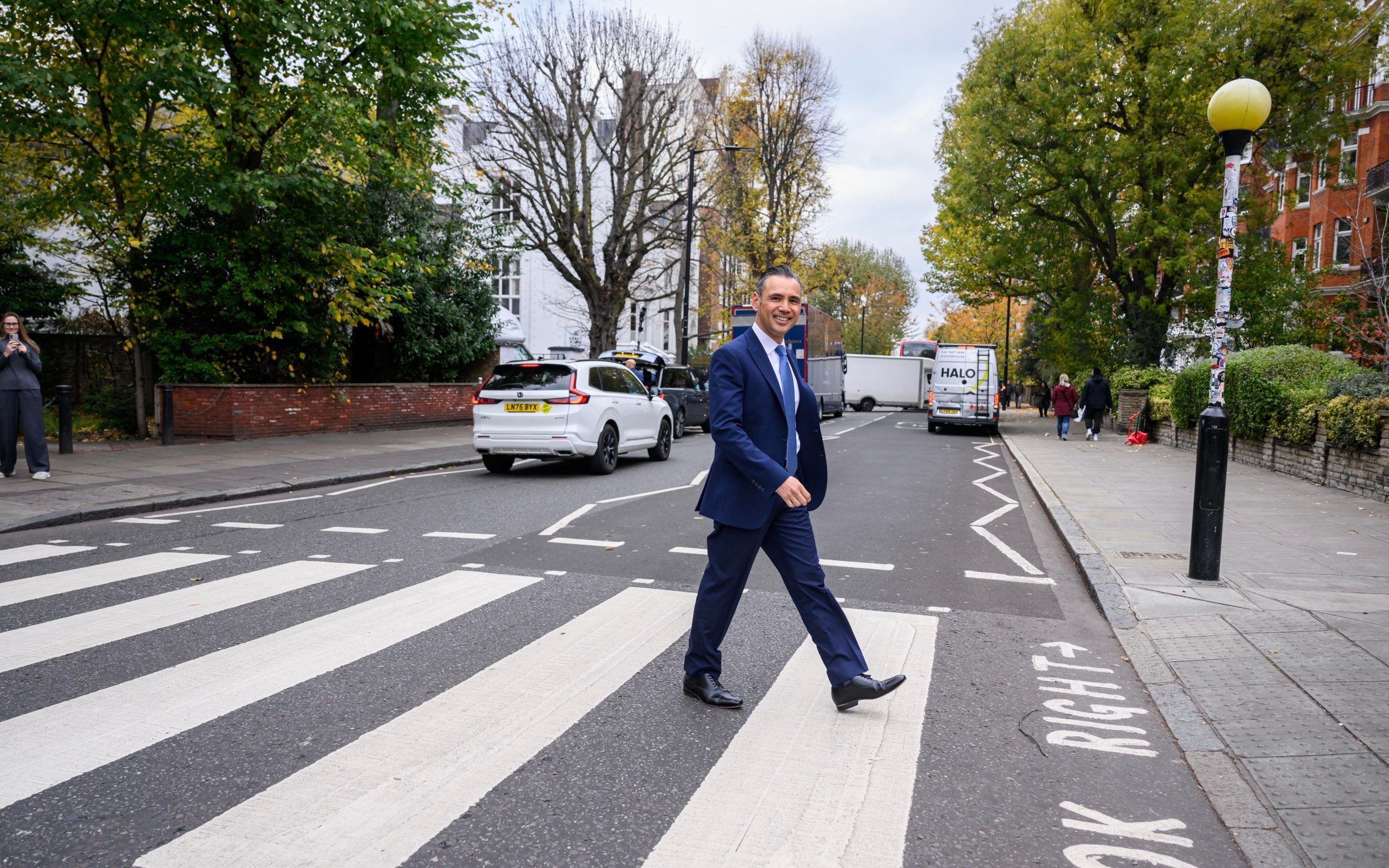
Noel Hacegaba, who is a lifelong Beatles fan, spoke at the World Ports Conference in London before visiting Abbey Road Studios - Paul Grover for The Telegraph
Companies such as Walmart, which owns a stake in Asda, and Home Depot are already racing to restock warehouses with imported Chinese goods, fearing that tariff tensions between Washington and Beijing will flare up once again in the new year, he said.
Long Beach handled a record 997,000 containers in September, its busiest month ever, and Mr Hacegaba said annual volumes are expected to exceed 10 million for the first time this year.
He said: “The story here is how much uncertainty this has created across the global supply chain.
“When shippers and their supply chain partners don’t know exactly what the tariff is, or when it’s in place and when it’s not, it creates a lot of uncertainty and volatility.
“All these record volumes are being driven by shippers managing risk and getting their product in sooner than usual to avoid higher tariffs and new tariffs.
“Now that the US and China have pushed their trade truce out to January, we expect a new round of what we call front-loading to try to get ahead of a new round of tariffs.”
US tariffs aimed at China’s maritime and shipbuilding sectors were scheduled to have been implemented on Monday, replacing those outlawed by the US Supreme Court.
However, Trump’s trade adviser recommended a further two-month delay, taking the implementation date to Jan 9.
While the move was seen as heralding a potential de-escalation in the trade war, the midterms may swing the dial back, as control over tariffs is one of the few areas where the president can still act unhindered.
Advertisement
Though the Democrats captured both the Senate and the House of Representatives, Trump has imposed tariffs by presidential decree rather than via congressional legislation.
‘Just-in-case’ approach
Mr Hacegaba said companies had moved from a “just-in-time” inventory model to a more cautious “just-in-case” approach, which sees more stockpiling to help guard against any disruption from tariffs or other global events.
Long Beach handles 2,000 ships a year moving cargo valued at $300bn (£225bn). It vies with neighbouring Los Angeles for the title of America’s biggest container port, with the combined complex ranking as the biggest outside Asia.
China accounts for 55pc of the total volumes it has handled this year, having slumped from 70pc in 2019 as a result of tariffs and a shift in production to cheaper countries such as Vietnam, where shipments have boomed.
Mr Hacegaba said that even if Trump abandoned tariffs, the closure of the Strait of Hormuz was likely to keep prices elevated.
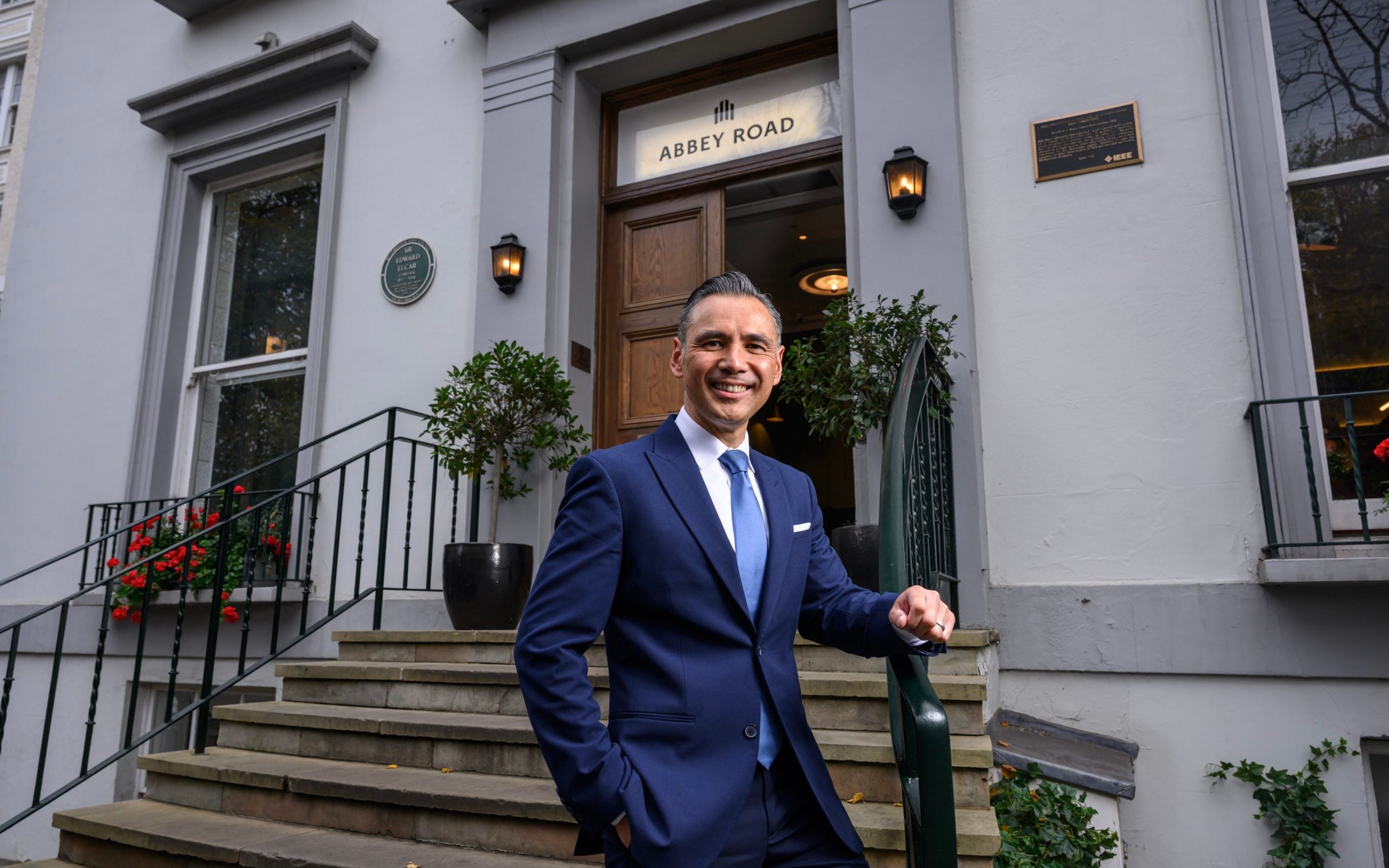
The long and winding road: Noel Hacegaba says the continued closure of the Strait of Hormuz is likely to keep prices elevated - Paul Grover for The Telegraph
He said: “Even with a trade truce in place, that does not address the increase in transportation costs.
“It’s more expensive to move products and those costs move down the chain and eventually reach the global consumer, who is having to pay more as those fuel costs are passed on.”
The Iran war has also disrupted vital trade routes, with Houthi attacks in the Red Sea escalating. Demand for transits through the Panama Canal has surged as a result, amid an influx of oil tankers supplying Asian nations with crude from the Gulf of Mexico.
However, capacity at the Panama Canal is stretched. Ballooning wait times have prompted crude oil shippers to pay more than $3m to jump to the front of the queue, or even more for liquefied petroleum gas carriers. Drought conditions have also left the Panama Canal short of water.
Mr Hacegaba said the Port of Long Beach believed it could double annual container volumes to 20 million by 2050, in part by offering alternative routes to such global choke-points.
New rail network
Key to the plan is $10bn of investment from the port and its 22 terminal operators that would allow shipments bound for the US eastern seaboard to bypass the Panama Canal.
The plan hinges on the development of a new rail network serving 30 cities, with delivery times undercutting the seaborne route by several days.
Capacity at the port’s Pier 6 rail yard would be doubled, allowing it to handle 4.7 million containers annually – more than the total at Felixstowe, Suffolk, Britain’s largest port – on trains up to 10,000ft long.
Long Beach this year also became the first American seaport to sign a federal deal for work on nuclear reactor technology to power dockside infrastructure and a fleet of nuclear cargo vessels that Trump is pushing to develop in an attempt to revive US shipbuilding.
Mr Hacegaba said the investment plans reflected the more central role ports have taken in the global economy since Covid.
The explosion in online purchasing when the pandemic confined people to their homes set ports and container lines on a growth trajectory that has never really slowed since then.
“When the shelves were bare all of a sudden ports went from invisible to vitally important,” he said. “I think there’s a wider recognition now of just how vital we are to the global supply chain and local and national economies.”
Source: “AOL Money”
