


"I was the Devil"- Peaky Blinders: The Immortal Man silently does a major disservice to Tommy Shelby's legacy
"I was the Devil"- Peaky Blinders: The Immortal Man silently does a major disservice to Tommy Shelby's legacy

Aashna Sat, November 7, 2026 at 8:56 AM UTC
0
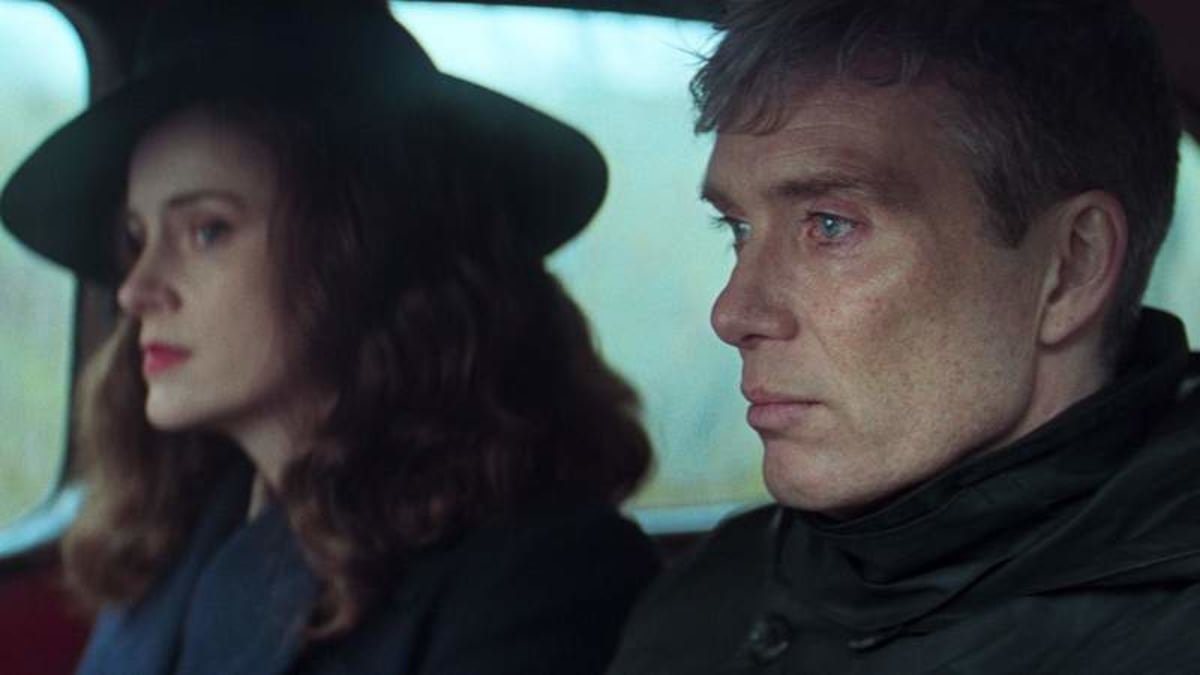
A still from Peaky Blinders: The Immortal Man ©Instagram/@peakyblinders
Peaky Blinders: The Immortal Man gave Tommy Shelby (Cillian Murphy) a suitably tragic ending, but one revelation overshadowed everything he had represented over six seasons in Steven Knight's crime drama series.
When fans learned Arthur Shelby (Paul Anderson) would not return in the film, speculation ran high. Given Arthur's addiction and PTSD in Peaky Blinders, it was believed that Tommy's older brother likely killed himself before the events of The Immortal Man.
During an intimate moment with Kaulo, Tommy even revealed that Arthur's mental health worsened and his death was an accident:
"When I found him, he was injured, but he was still wild. He'd taken that much opium. He started to believe I was the Devil. It [Arthur's death] was an accident."
Tommy's admission about Arthur mistaking him for the Devil found a new meaning when Tommy shockingly confessed to Ada's dead body that he killed Arthur. More importantly, Tommy reveals that it was not an accident or an act of mercy, as he deliberately killed Arthur because he wanted to be free of him.
Beneath the violence and disagreements, Peaky Blinders established that the brothers would choose each other when it mattered most. That is precisely why The Immortal Man's revelation feels so uncomfortable and tarnishes Tommy's legacy.
*Disclaimer: This article is based on the author's opinions. Readers' discretion is advised.***
Tommy killing Arthur changes the meaning of their entire relationship in Peaky Blinders
Throughout the six seasons of Peaky Blinders, Tommy Shelby did countless morally grey things, manipulated people, betrayed allies for his own ambition, and orchestrated his enemies' murders. While Tommy casually sacrificed relationships to protect his business interests, his shady dealings had a cause: the Shelby family's welfare and protection. The initial seasons even defined Tommy beyond his gangster persona, through the subtle moments he shared with Arthur and Aunt Polly. While Tommy remained a troubled man, struggling with his own demons after the war, family remained the one thing he valued above everything else.
Advertisement
Peaky Blinders explored Tommy's internal contradiction through his relationship with Arthur. While Tommy regularly exploited his older brother's loyalty, he also tried to understand and help with his addiction. It seems like Arthur Shelby was the one line Tommy would never cross, until his shocking confession in The Immortal Man.
While we were led to believe Arthur's death was an accident, Tommy confessed to the murder in The Immortal Man:
"I confess to you, sister. I killed our brother, Arthur. It wasn't an accident. It wasn't an act of mercy. I killed him 'cause I was filled with booze and rage...I killed me own brother 'cause I wanted to be free of him."
Tommy's redemption comes at the expense of his established legacy in Peaky Blinders
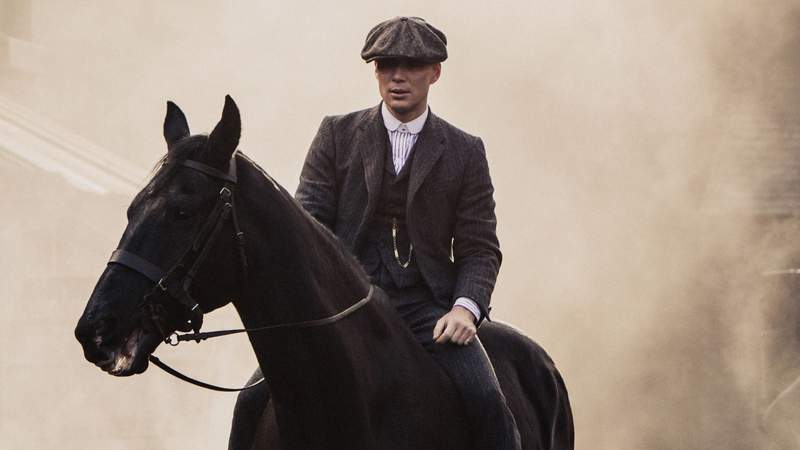
A still from the series (Image via Instagram/@peakyblinders)
The Immortal Man subtly justified Tommy's murder as a darker direction for him. The movie introduced Murphy's character as an isolated and broken man, likely living under the weight of Arthur's murder. The Peaky Blinders movie title led fans to anticipate Tommy Shelby’s tragic downfall, but Arthur’s death emerging as the story’s biggest emotional gut punch was an unexpected twist.
Arthur's death somehow explains why Tommy became so consumed by self-loathing. It also makes his eventual decision to help Duke more meaningful because he is attempting to prevent another generation of Shelbys from inheriting the same destructive patterns. But still, Tommy strangling Arthur in cold blood was a huge disservice to his relationship with his older brother and somehow tarnished his legacy.
Peaky Blinders repeatedly established that Tommy's family was his biggest strength. While Tommy unleashed his ruthlessness on the world, he deeply cared for Arthur, even after he became a liability in the latter seasons. Thus, Tommy's admission that he killed Arthur because he wanted to be free of him seems more like lazy writing than a necessary narrative choice. The movie's revelation reduced their entire relationship to another example of Tommy's destructive nature.
In the end, Peaky Blinders: The Immortal Man achieved what it sought from the beginning. Murdering his brother meant no return for Tommy, and death was the only form of redemption. By killing Arthur, Peaky Blinders ultimately killed the possibility that beneath all the violence and ambition, there was still a man who desperately wanted to protect his family. By reaching the point of no return, Tommy finally found freedom from his guilt in death, but it came with a huge cost and an irreversible tarnish to his legacy.
For the latest scoops on your favorite TV shows and movies, follow SoapCentral.
Source: “AOL Entertainment”
