


Sex researcher explains why romance media like Olivia Colman's Wicker is so popular
Sex researcher explains why romance media like Olivia Colman's Wicker is so popular

Demetria Osei-TutuSun, November 8, 2026 at 10:00 AM UTC
0

Romance media is shaping the ideas of relationship, according to a new report -Credit:Black Bear/Kristof Galgoczi Nemeth. (Black Bear/Kristof Galgoczi Nemeth.)
This article contains spoilers to Wicker
Wicker and romantic media reflect the "deeper desire to be seen and understood."
Wicker is a romance-fantasy comedy-drama that came to theaters on October 23. The film is about a solitary Fisherwoman (Olivia Colman) who commissions a Basket Weaver (Peter Dinklage) to make her a Wicker husband (Alexander Skarsgård). Prior to the release of the movie, dating app Feeld released its new State of Dating report on October 20, developed with the Kinsey Institute and sex researcher Dr. Justin Lehmiller.
Dr. Lehmiller spoke with The Mirror US about the report, specifically the romance media aspect. Within the State of Dating report, a majority (56%) of participants reported that their ideas about relationships and connection have been shaped by romantic films and television shows, romance and fantasy novels, and fan fiction.
• Jenna Ortega's new sci-fi movie Klara and the Sun cancels international release after box office flop
• Kimberly J. Brown shares favorite memory from Halloweentown as new movie in the works
The Sex and Psychology podcast host explained what draws modern people to romance media such as movies like Wicker and shows like Heated Rivalry.
Dr. Lehmiller first highlighted that there has been a rise in romantic fantasies. Comparing the data from his research during pre-pandemic times, more people today are fantasizing about passion, romance, and intimacy in comparison to the past.
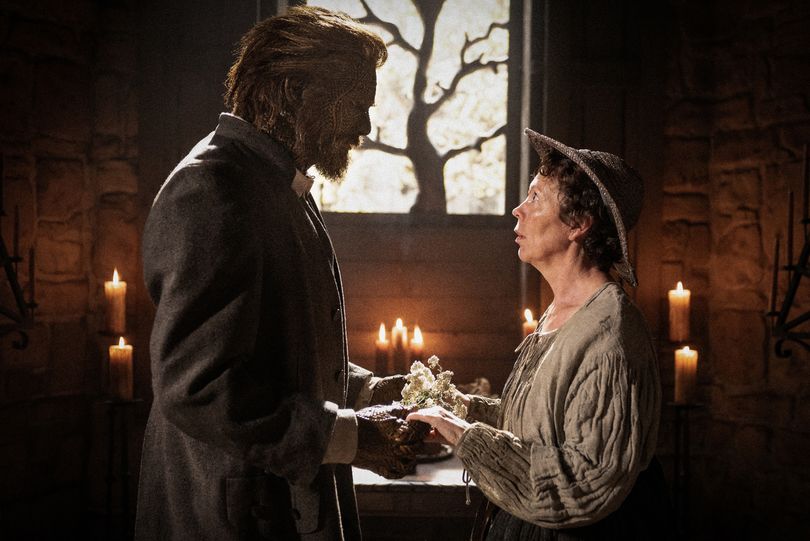
Wicker tells the story of a Fisherwoman who commissions a husband made out of Wicker -Credit:Black Bear/Kristof Galgoczi Nemeth. All Rights Reserved
Those romantic fantasies are being shaped by romantic media and appear to be a result of the COVID-19 pandemic, a time when social relationships "underwent this big period of disruption," during which folks couldn't meet those intimate needs as easily as before.
Dr. Lehmiller said that people began turning more to their fantasies "as a way of tapping into that need for deeper connection." He added that the appeal of romance media lies in tapping into "this deep desire for those kinds of authentic romantic connections that they might feel are lacking in their everyday life."
"I think what people are drawn to is this idea of being accepted and seen and understood for who you are, because Wicker is....about this woman who is a social outcast, who doesn't have that sort of acceptance or validation in her local community, and doesn't have success in the dating market, and so she takes matters into her own hands and commissions her own husband to be made out of wicker," Dr. Lehmiller said.
"And this Wicker husband is somebody who also kind of becomes this social outcast in the town, at least initially. But he is somebody who accepts her for who she is, and that desire to be seen and understood is, I think, really what draws and captures a lot of people's attention, and I think it's part of the appeal of these sort of fantastical stories. Again… it's less about the fantastical elements and more about that sort of deeper desire to be seen and understood," he continued.
Dr. Lehmiller also spoke about a potential reason why romantic media, a genre historically geared toward women, is unexpectedly appealing to 59% of Gen Z men. He explained that one needs to look "broadly" at what's happening to young men.
The sex researcher remarked, "Coming out of the COVID pandemic and in this post-Me Too era that we're living in, a lot of men are feeling very socially disconnected and also unsure about how to approach relationships and how to approach women."
Advertisement
"A lot of people are feeling very socially isolated and disconnected, and so romantic media might be helping to fill the gap in some ways, but it also might be a place that people are turning to to kind of learn and gather new ideas about how they might approach romance and intimacy in their real lives," Dr. Lehmille added.
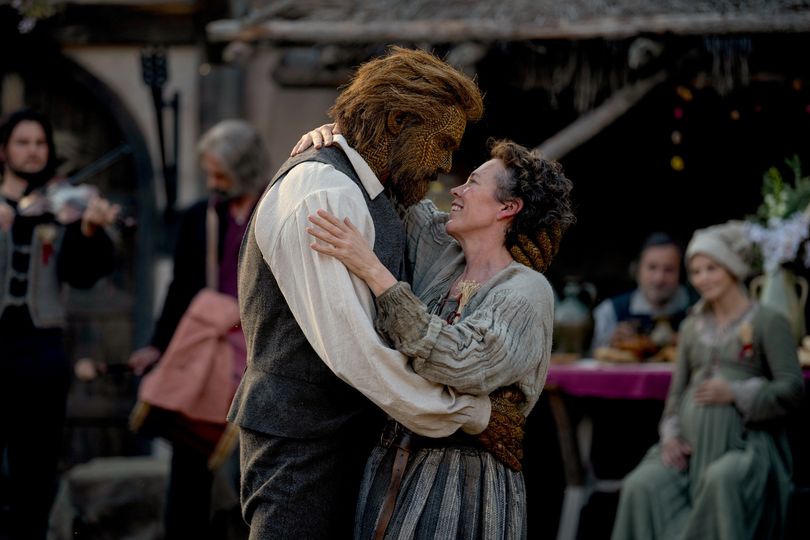
Kinsey Institute and sex researcher Dr. Justin Lehmiller said that romance media like Wicker exhibit people's desire to be understood and seen -Credit:Black Bear/Kristof Galgoczi Nemeth. All Rights Reserved
With the rise of men consuming romantic media, there also appears to be a rise of men turning away from pornography. Dr. Lehmille called that a "positive thing in some respects" because porn "doesn't do a very good job of teaching people about sex and relationships."
He went on to say that while romance media is fictional and is not something we necessarily should be looking to for real-life lessons in approaching our relationships, "but at least it might give people better ideas about what really is at the core of healthy relationships, which is about having that authentic connection with somebody else and showing up and being seen and being vulnerable."
"I think that's one of the key things that romantic media might do in terms of teaching us is showing us different ways that we might be able to be vulnerable with a partner, and how that can really lay the seeds and groundwork for a deep, intimate connection. Yes, that works in romantic media, but that also works in real life too," Dr. Lehmille stated.
He noted that whether intentionally or subconsciously, people look to the media as "a way of learning how we might navigate the world."
Dr. Lehmille acknowledged how media can be a "double-edged sword" by helping people approach relationships in healthier ways through positive portrayals of things like sex and intimacy, but also giving people unrealistic ideas and expectations about what love and relationships should look like. He also pointed out that some representation in media can be unhealthy as well as unrealistic.
Dr. Lehmille also brought up the element of the slow burn. Slow burn is a popular trope and storytelling device that depicts a romantic relationship gradually developing and intensifying over time rather than happening instantly. The concept can also exist outside of media, and it is something those dating want.
The State of Dating report found 8 in 10 adults, having anticipation and buildup is crucial to erotic excitement, and that 86% said that attraction gets stronger when two people build a shared story together. Only 13% of daters said attraction develops instantly.
Dr. Lehmille said that the appetite for a slow burn is "part of what I think is also so appealing about romantic media is that it's representing that longing that we have for that desire to kind of unfold gradually over time."
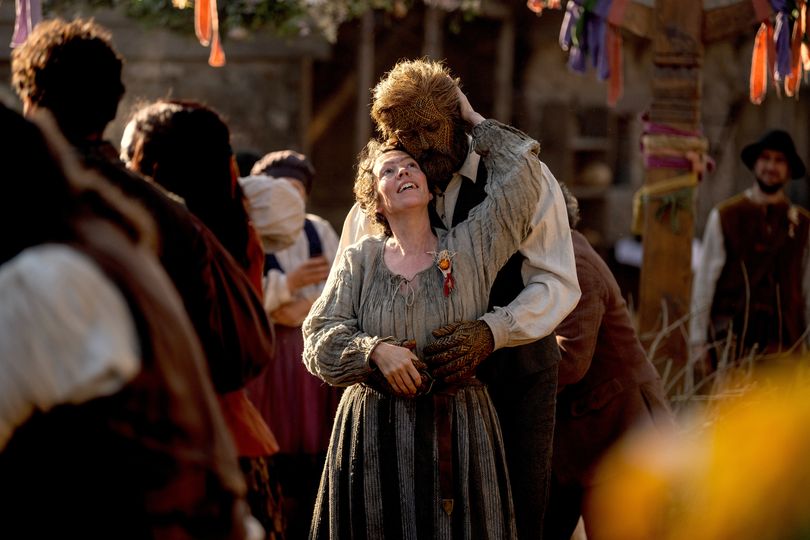
The State Dating Report from the dating app Feeld said that 59% of Gen Z men are consuming romance media -Credit:Black Bear/Kristof Galgoczi Nemeth. All Rights Reserved
"I think many of us have learned and have had the experience that the deepest connections that we have to other people are things that slowly unfold and just build up over time, and I think having that personal experience also kind of reinforces why we're drawn to these stories," he said.
When asked about why vulnerability and acceptance are so significant to people when searching for romance and consuming romance media, Dr. Lehmille pointed out that humans have a "fundamental need for belongingness."
The author said that social psychologists refer to it as the "need to belong" and elaborated that "we need to feel like we fit in, and that we're accepted, and that we have connections, like real connections to other people."
"That need for belongingness, I think, is part of what is at the core of what drives us to pursue and seek out these romantic connections, where we can be truly vulnerable with other people and be ourselves and be seen, because that's fundamentally kind of like how we meet and tap into that need. And it's something that when we can be ourselves and be accepted, it doesn't just feel good; it's good for our physical and mental health and well-being,” Dr. Lehmille stated.
"We also have this drive to want to connect with other people, and when we're not able to connect with others, it's ultimately really bad for us. And so I think that's a big part of what underlies why we're going out and pursuing and seeking these types of deep intimate connections," he concluded.
Source: “AOL Entertainment”
