


There are rugby heroes. There are war heroes. And then there is Edgar Mobbs
There are rugby heroes. There are war heroes. And then there is Edgar Mobbs

Daniel SchofieldSun, November 8, 2026 at 8:00 AM UTC
0
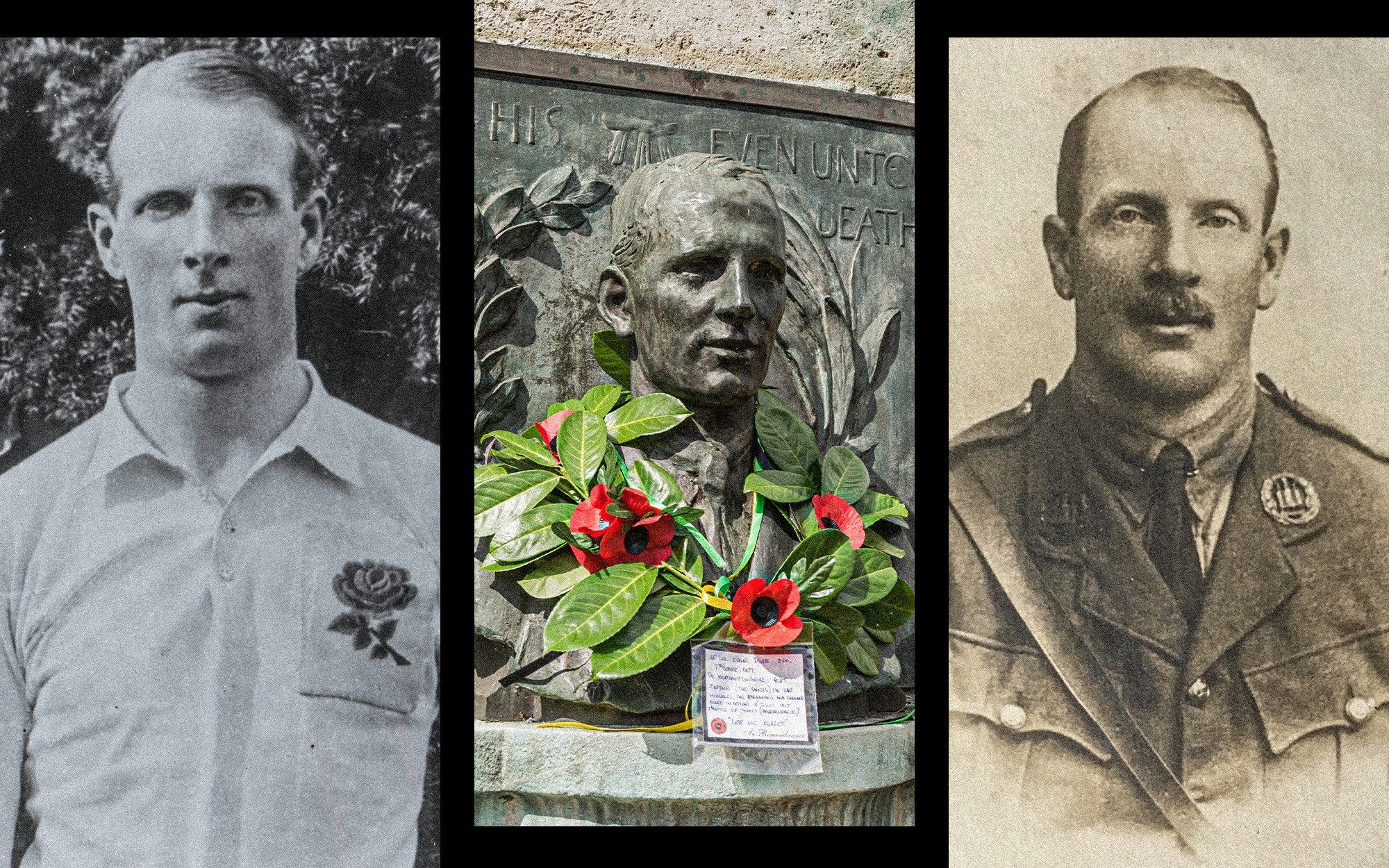
Edgar Mobbs won seven caps for England, scored 179 tries for Northampton and his call to join up on the outbreak of war in 1914 was answered by 400 - Alamy
As the final strains of The Last Post fade around Twickenham and the minute’s silence begins at three minutes past three on Remembrance Sunday, Alex Coles, the England lock, will close his eyes and reflect on those who came before him.
More than 110 years ago, there was a generation of players whose greatest aspiration, like Coles, was to play for Northampton and England. Then a higher calling arrived with the outbreak of the First World War. “I don’t know why, but I think there’s something about the whole stadium falling silent that I’ve always found provides a real serene moment of reflection,” Coles says.
“You realise that you’re following in the footsteps of real people who had the same rugby ambitions as you. They wanted to play for England, they wanted to play for the Lions, they wanted to win stuff with Saints. And then you realise that some of those people lost their lives defending the country. It is hard to get your head around.”
Men such as Edgar Mobbs, in whose honour England and Australia will compete for the Ella-Mobbs Trophy on Sunday afternoon.
There are rugby heroes. There are war heroes. And then there is Edgar Mobbs, the greatest player in the history of Northampton Saints.
His playing feats alone are extraordinary. Mobbs grew up in the Buckinghamshire town of Olney, where he started playing before joining Northampton as a winger in 1905. At 6ft 1in, he was tall for the age, especially as a back, and together with a high-stepping running style and a brutal hand-off, he was close to unstoppable on the wing; think of a peak George North or Edwardian Jonah Lomu. Mobbs would go on to plunder 179 tries for Northampton and remains fourth on their all-time list.
Yet tries alone do not capture the scale of Mobbs’s influence on Northampton. He was charismatic, becoming Saints captain in 1907, a role he held until his retirement in 1913. In that time, Northampton established themselves as a true heavyweight club with Mobbs going on to captain the East Midlands and then England, for whom he won seven caps.
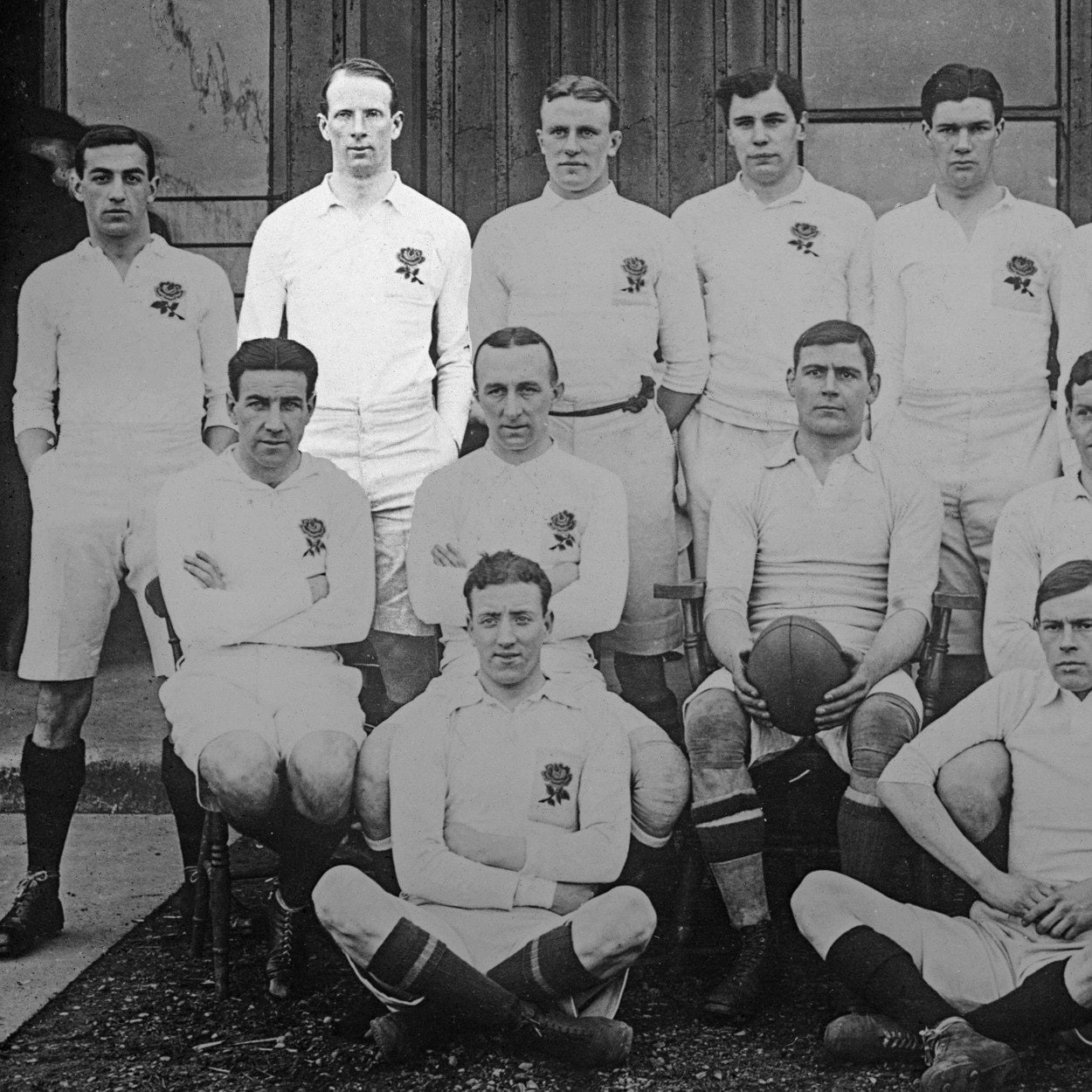
Mobbs lined up for England at Landsdowne Road for the 11-5 Home Nations Championship victory over Ireland and went on to score a try - Alamy
“He was a huge celebrity in Northampton, every bit as big as Harry Kane is today,” says Graham McKechnie, Northampton Saints’ resident historian who is researching a biography of Mobbs. “The newspapers were absolutely full of stories about Mobbs. He was very charismatic and an amazing leader. No matter what the score was in the match – and later no matter what the situation was on the battlefield – he was always cajoling his team-mates and later his soldiers to keep going. Saints were already a reasonably well-known club when he arrived but under Mobbs, they became one of the pre-eminent clubs in England. Mobbs was the absolute embodiment of Northampton Saints.”
By his playing achievements alone, he would have been recognised as one of Saints’ great players. What elevated Mobbs’s memory from sporting legend into something much more came on August 4, 1914 when Britain declared war on Germany.
No doubt Mobbs was used – probably willingly – as a propaganda tool which spawned a number of myths. McKechnie has found no evidence that Army recruiters originally turned him down for being too old for a commission at 32, as is commonly told. Sadly, the tale of Mobbs asking the crowd at Franklin’s Gardens to join him at the enlisting office has proved apocryphal, as the rugby season had not yet begun.
Advertisement
What is true is that Mobbs recruited more than 400 volunteers, of which 264 enlisted, to form the Sportsman’s Battalion or Mobbs’ Own, which formed a large part of the 7th Battalion, Northamptonshire Regiment. There are plenty of examples of “pals’ battalions” being formed after Lord Kitchener’s call to mobilise a volunteer army. Yet McKechnie believes there are no other examples of a battalion coalescing around a single athlete, which indicates Mobbs’s standing and charisma.
That giddy surge of initial patriotism quickly foundered on the grim brutality of the Western Front. The 7th Battalion suffered devastating losses in their first engagement at the Battle of Loos before also fighting at the Somme and Arras. Mobbs enlisted as a private and quickly rose to the rank of colonel. He was wounded on four occasions and Mentioned in Despatches twice.
On July 31, 1917, Mobbs was killed at the third Battle of Ypres, known as Passchendaele, which would result in the loss of more than 500,000 lives. As commanding officer, Mobbs should have been nowhere near the action. Yet upon hearing his men were being pinned down by a machine-gun post, he attempted to take the position with a small group of men. He was shot in the throat and died where he fell in a shellhole in Shrewsbury Forest.
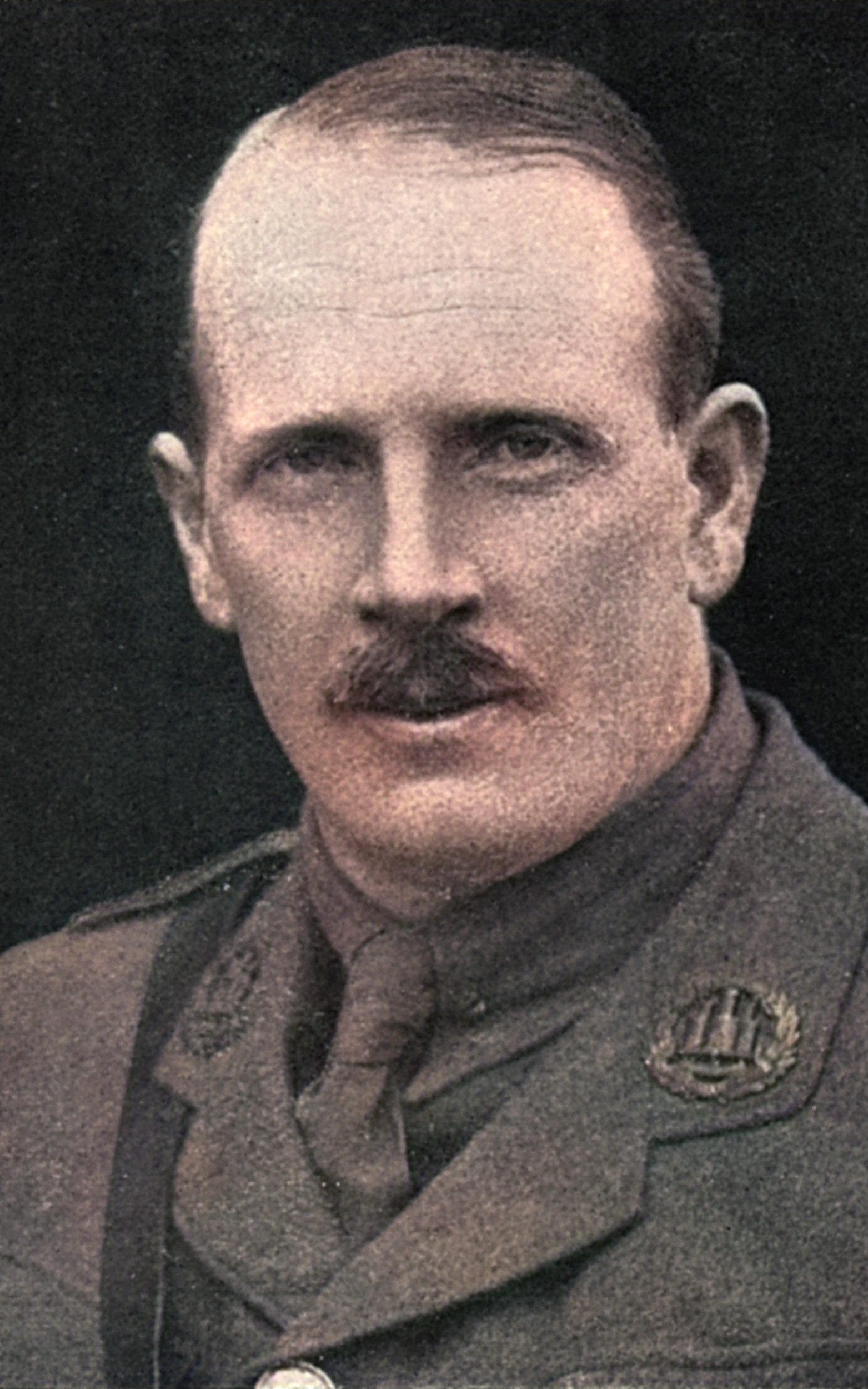
Colonel Mobbs was killed in action in Shrewsbury Forest at Ypres - Alamy /Chroma Collection
Phil Mobbs, his great-great nephew, visited the site on the 100th anniversary of his death and erected a permanent memorial there. He believes Edgar’s death was driven by guilt, as only 85 of the original 264 Mobbs’ Own survived the war. “I know he was later haunted that he had taken so many men to war and the horror of the Western Front,” Phil Mobbs said. “I believe that resulted in his death because he was not prepared to ask his men to do what he was not prepared to do himself. As colonel, he should have been back at HQ directing the battle rather than leading from the front. I think it was that combination of remorse and a determination that no more men should die because of him.”
His death would solidify the myth of Mobbs. A bust of him was placed in Northampton town square in 1921 when the annual Mobbs Memorial Match also began and continues to this day. “Mobbs is absolutely at the heart of Northampton Saints and he has been throughout the centuries,” McKechnie says. “He absolutely embodied how rugby wanted to see itself and how others wanted to see rugby in the spirit of sacrifice, of serving your country and your friends.”
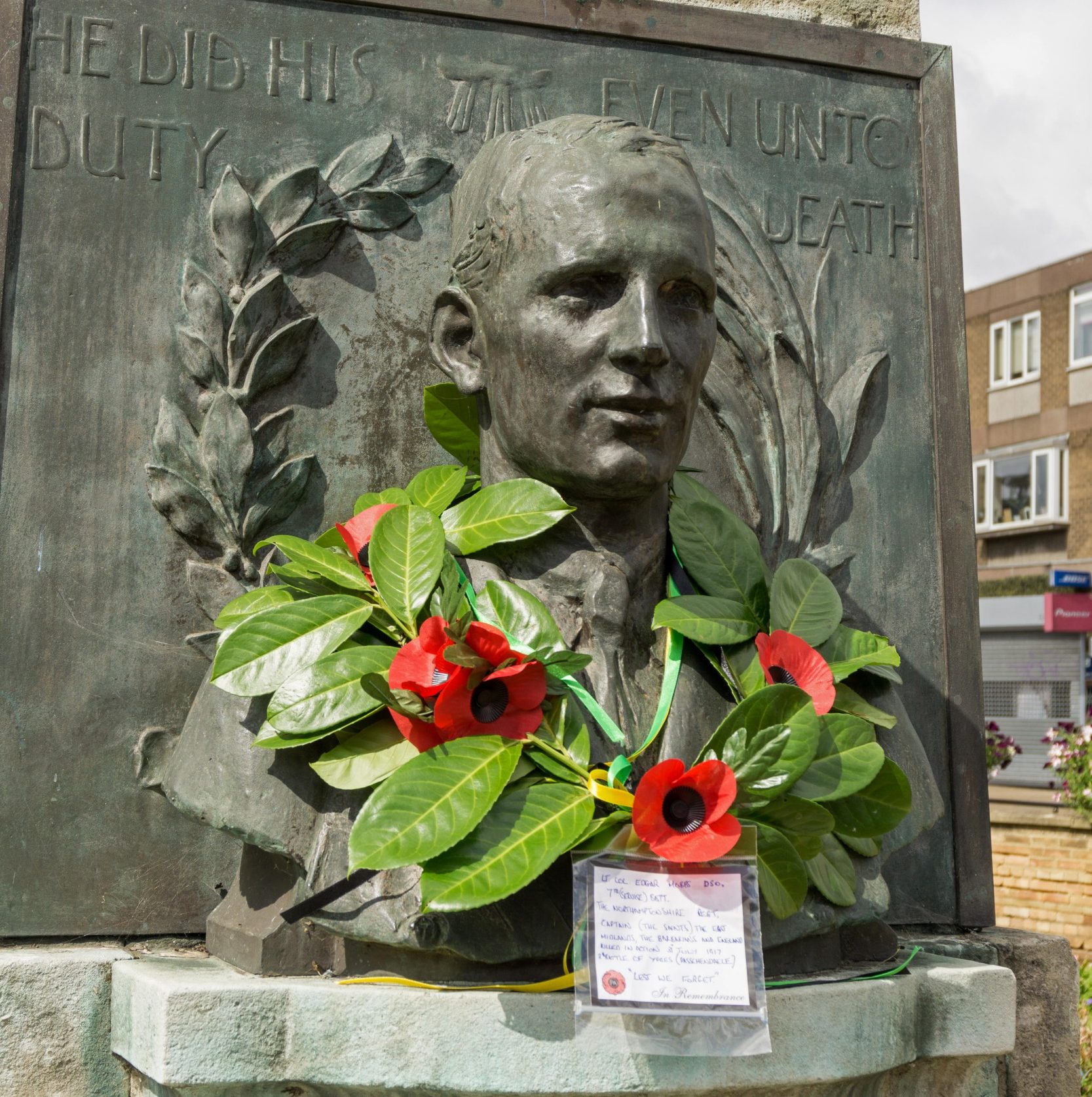
Northampton commemorated its hero with a bust in the town square 105 years ago - Alamy /David Humphreys
Mobbs is far from the only war hero at Northampton. There is a memorial in the north-east corner of Franklin’s Gardens. Blair Swannell died at Gallipoli in 1915 after making 116 appearances for Saints as well as playing for both the British and Irish Lions and Australia. Freddie Blakiston was awarded the Military Cross for rescuing injured men under fire in Belgium in 1918. In 2018, his feats were turned into Northampton’s pre-season fitness challenge, which consists of a 7km run, including a 2km section with a 30kg or 50kg sandbag. A keen history fan, Coles is the only Saints player to have won the Blakiston Challenge twice.
“When you hear the detail about what Freddie did in terms of saving his injured comrades, it is just unbelievable,” Coles says. “It is so hard to imagine what those guys had to go through. Obviously the challenge gets nowhere close to it. But at least you get an idea of sort of the physical gruelling nature of what he had to do, without any of the actual real danger.”
A total of 27 England internationals died in the First World War and a further 15 in the Second. As high as the stakes may seem for Steve Borthwick’s England project on Sunday, Coles is acutely aware that the result of a single rugby match is insignificant in the grand scheme of things.
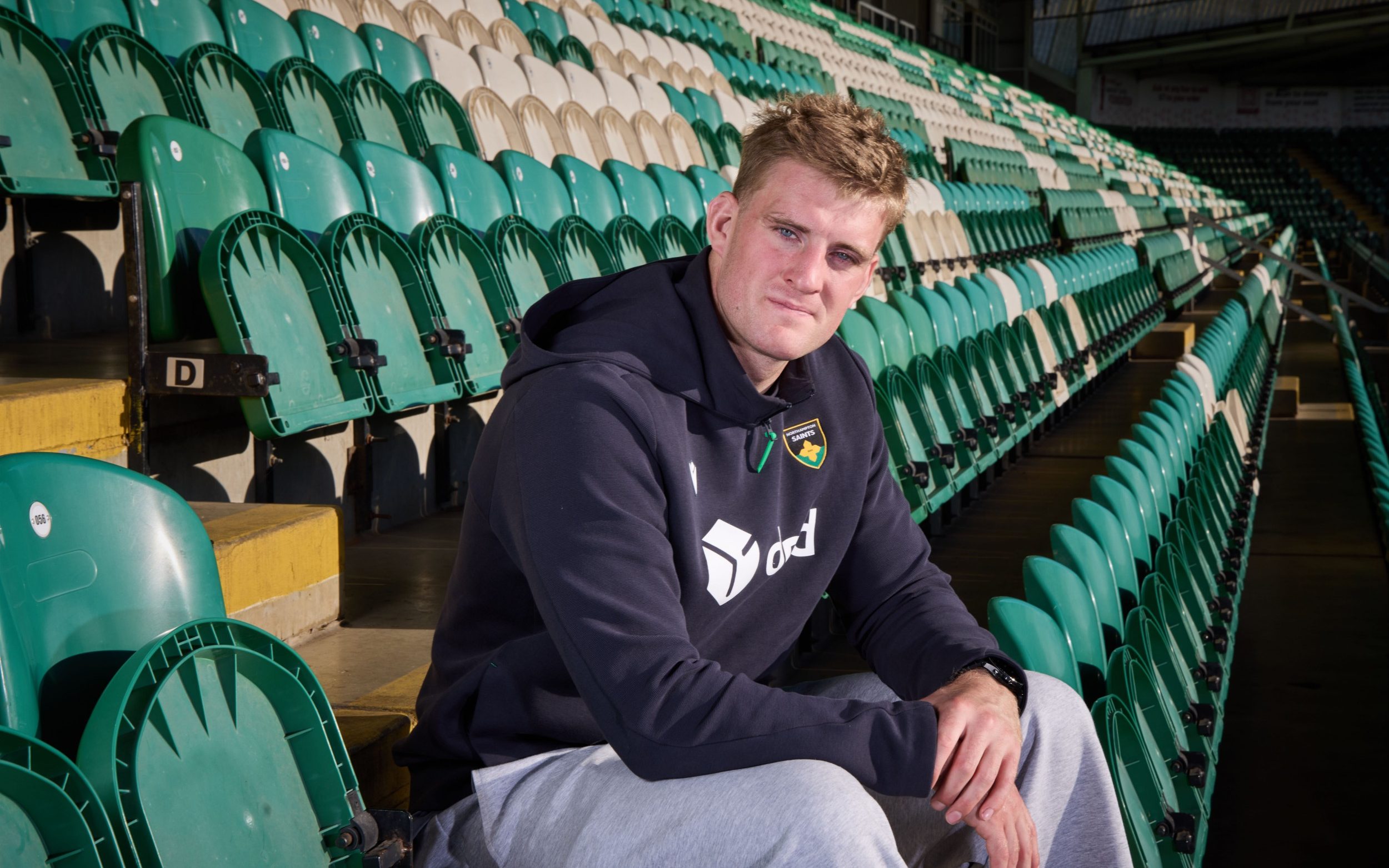
Mobbs’s life and death has particular resonance for Alex Coles as a Saints and England player - Matt Writtle for The Telegraph
“It is strange to have that sort of contrast between your adrenalin spiking so much, being revved up thinking about the game, and then just having that real small bit of quiet to picture what all those men from across the world went through in those two World Wars,” Coles says.
“Just in that minute where you get to go silent, it can actually really sink in. Not only does that give you some decent perspective going into a rugby game – when you can often get caught up and feel like that’s the only thing that matters in life – but also I do think it’s an important mark of respect to actually have that time to slow down and think about those people who made the greatest sacrifice.”
Source: “AOL Sports”
