


Viscount Long: ‘People are shocked that a lord could be a thalidomide survivor’
Viscount Long: ‘People are shocked that a lord could be a thalidomide survivor’

Eleanor DoughtySun, November 8, 2026 at 6:00 AM UTC
0
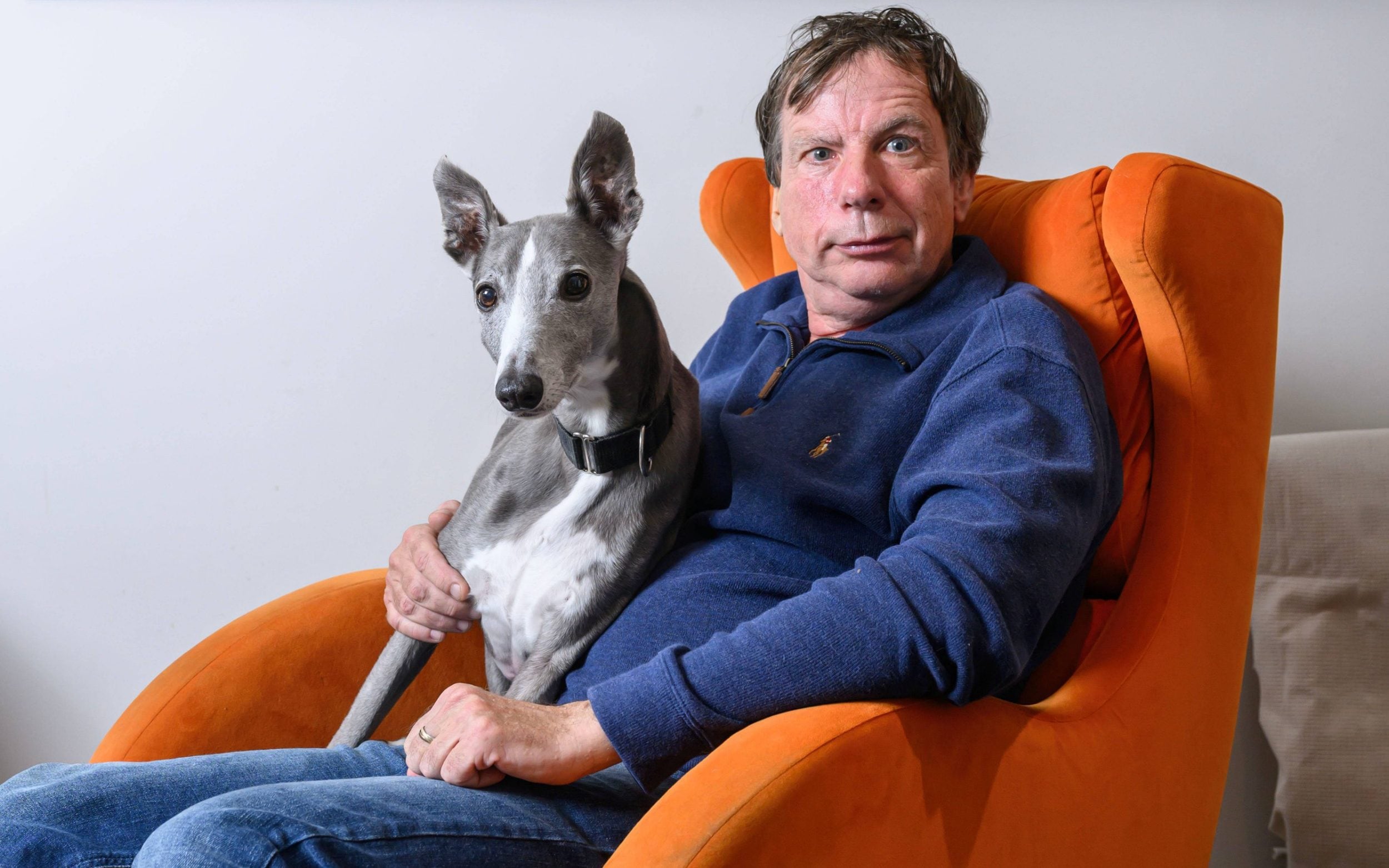
Viscount Long with his whippet Oscar, one of many dogs he and his partner Joe have rescued - Paul Grover
A rather handsome whippet is curled up on a sofa in the Fulham flat of Jamie Long, 5th Viscount Long. His name is Oscar, and he’s the latest in a line of whippets that Lord Long and his partner of almost 30 years, Joe, have rescued. “Lovely dogs,” says Lord Long, a boyish 65, wearing jeans and a jumper on this warm autumn day. On the table between us is the parliamentary red box owned by his great-grandfather, the Unionist politician Walter Long. It’s a bit battered with age.
Lord Long is bubbling over with nervous energy ahead of the publication of his moving memoir A Sweet and Bitter Pill on November 12. “It’s been a long journey. It’s taken me some years to do, but I felt that my story was interesting. And I do quite like being talked about!”
He has spent a lot of his life being talked about – primarily by doctors, in the many hospitals where he spent time as a child, as a result of having been born with a mysterious condition. As a newborn, the second child of the Hon Richard Long and his first wife, Margaret Long (née Frazer), Viscountess Long, his face, he writes, “had a slightly startled asymmetry about it”. He was missing an ear, was blind in one eye, and one of his legs was shorter than the other. It was early 1961 and his mother had suffered from morning sickness during her pregnancy.
“Her doctor,” says Lord Long, “raved about a new drug.” This was thalidomide, which had been introduced in the late 1950s under the brand name Distaval and was withdrawn in December 1961. As it happened, Distaval didn’t agree with the viscountess and she only took two pills before throwing the rest away. When her son was born on December 30, 1960, “it didn’t cross her mind” that there could be a link between Distaval and her baby’s condition. As Lord Long writes, “Two small pills. That is all it took to change the course of my life.”
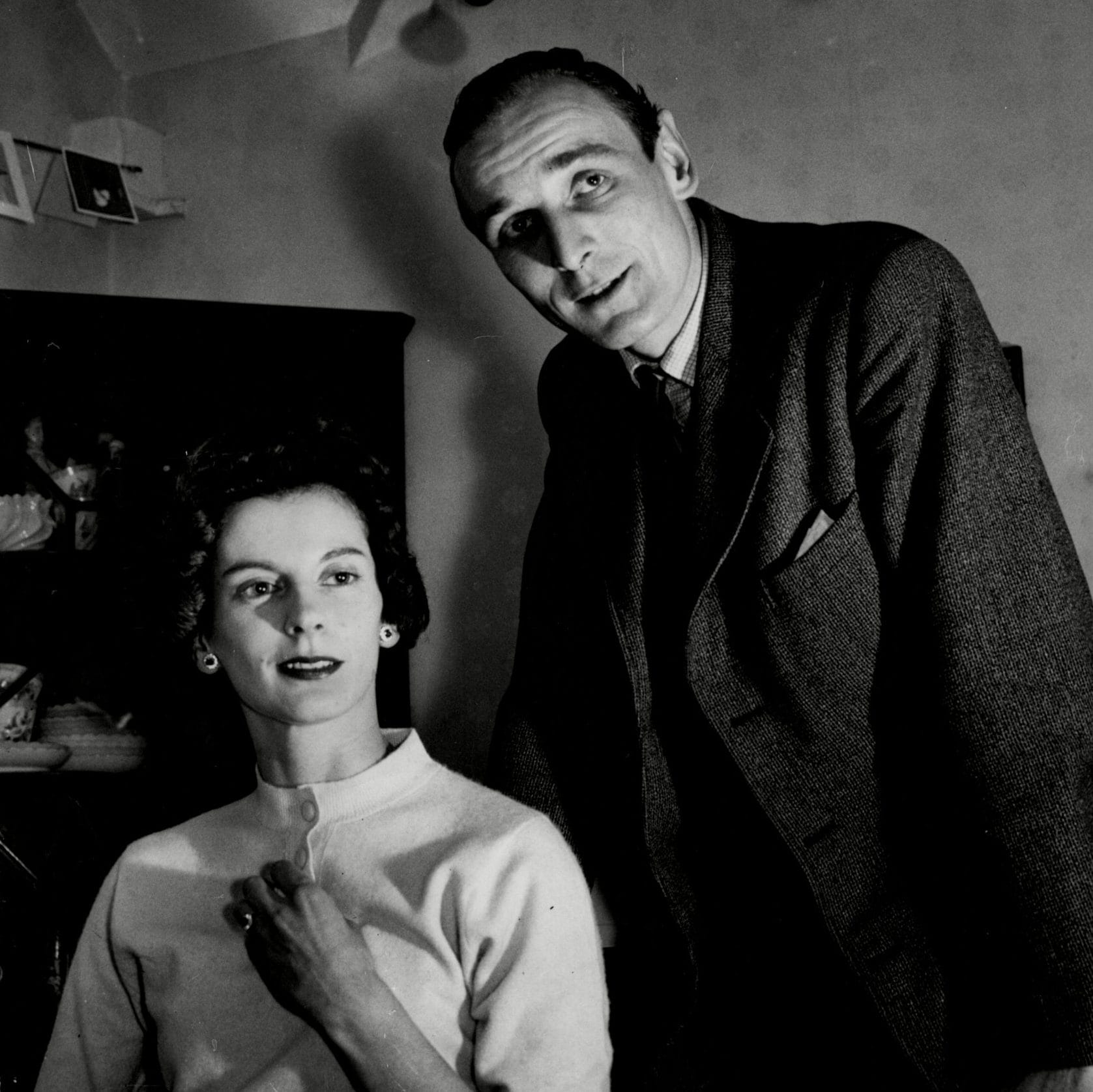
Long’s parents, Margaret Frazer and Richard Long - ANL/Shutterstock/Henry Bush
It is estimated that 100,000 babies worldwide died in utero as a result of thalidomide, that 10,000 were born with serious disabilities, and that half of those died within a year of birth. In Britain, approximately 2,000 babies were affected, many of whom died before or shortly after birth, and there remain fewer than 450 survivors today.
To look at him, few would suspect that Lord Long was a survivor – his word: “We survived what was a catastrophic disaster, and how many babies didn’t?” – of thalidomide. He can walk and his floppy hair covers his prosthetic ear. It isn’t apparent, as I sit opposite him, that he is blind in one eye, either.
“I have never hidden away from the fact that I am affected by thalidomide, although as you can see,” he says, gesturing with his four limbs, which some of his fellow survivors were not lucky enough to be born with, “I don’t have all the things that people expect.” This has given him an odd relationship with his situation. “I have felt an outsider,” he says. “Like everyone else, I associated disabilities of thalidomide with no arms and no legs, like I was in a middle ground. Someone once said to me that it’s imposter syndrome, but I hate that phrase.”
The truth took some time to reveal itself. His mother took him to endless specialists seeking answers. “I would see all these doctors and they would never check my eyes,” he remembers. But when he was 13, she took him to see paediatrician Prof Richard Smithells in Leeds, and they finally got their answer: “Because I couldn’t move my eyeballs side to side, it was nerve damage and that was a link to thalidomide.”
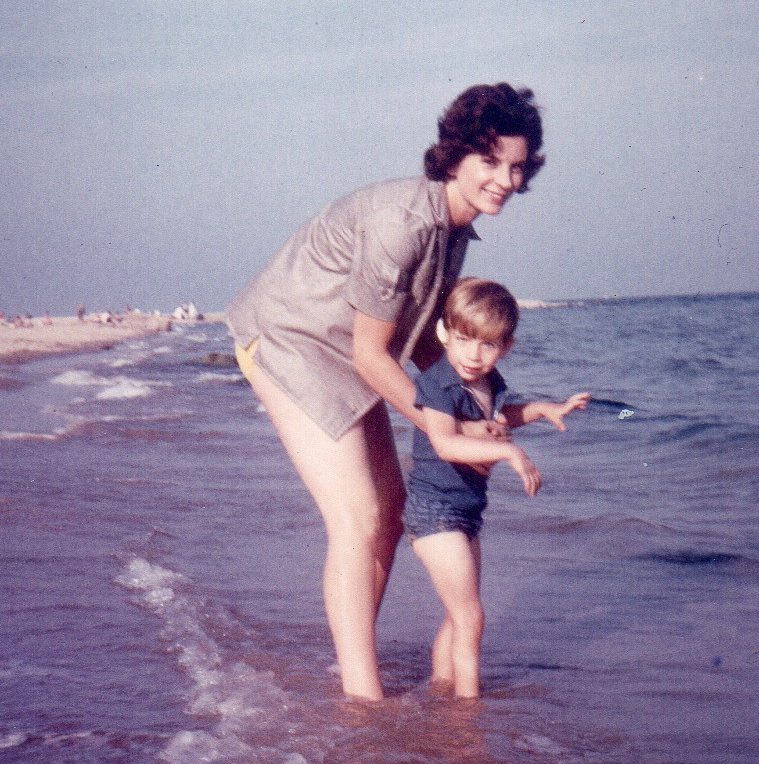
Pictured with his mother as a child in Sandbanks, was diagnosed as a thalidomide survivor at the age of 13
Compensation did not come automatically – but rather following the viscountess’s fight to have her son recognised as one of the 450 surviving thalidomide babies. After the Thalidomide Trust was established in 1973 to administer compensation, Lord Long received a lump sum and continues to receive a modest grant every year. Having retired in his 40s from his career as a fashion photographer – “it was hard graft and I found that physically tiring” – this money is much-needed; despite the image his title conveys, he has no private income.
Until August 2004, when the Thalidomide Children’s Trust Order came into effect, thalidomide survivors were taxed on their payments from the Thalidomide Trust. The monies taxed during the 30 years prior have not been repaid.
To this end, the campaign group Thalidomide Voice is now calling for corporate accountability, tax restitution and a public inquiry into the thalidomide tragedy. In a letter it is encouraging supporters to send to MPs, it states that “Distillers, the UK distributor of thalidomide (now part of Diageo), claimed it had no prior knowledge that the drug caused birth defects, leading families to accept just 40 per cent of the compensation owed. Unsealed documents have since shown this claim was untrue.” It adds that “Diageo effectively holds the remaining 60 per cent, worth an estimated £1.7bn”.
Lord Long gives his full support to their efforts. “As we get older, we not only have to deal with the physical challenges of getting older, but disabilities also break down as well, placing increasing strain on our bodies,” he says. “Although we do get money, in this day and age we should get more. It would help with quality of life. There are only about 400 of us – it wouldn’t be a big handout if they had to pay us more.”
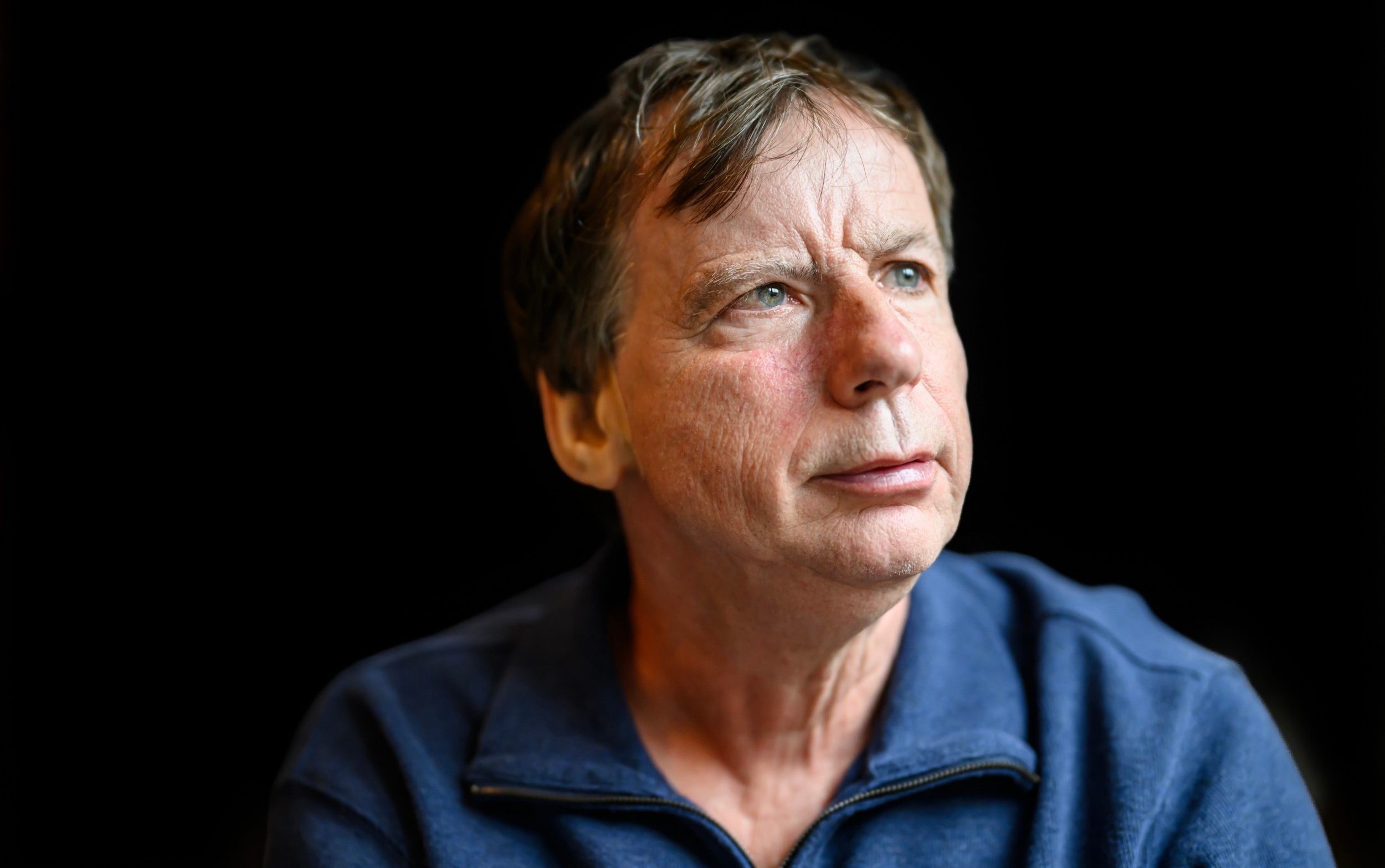
Long was born with a missing ear, blindness in one eye and one leg shorter than the other - Paul Grover
Thalidomide, he says, is “slowly going into history”. He often meets junior doctors who have never heard of it. “We shouldn’t forget what thalidomide was, what it did.” Of course, he says, “money can’t take away the fact that we were damaged by something. They can’t correct what we all have, but they can make sure that we’re provided for. I would be happy with that because it would show that they were actually caring about it.” By definition, all his fellow “thalidomiders” are about the same age, in their 60s and early 70s now, and they aren’t getting any younger: “Once we’re all gone, they’re back to normal.”
The world that Lord Long was born into was rather different from today’s. Being presented as a baby to his grandfather Eric Long, 3rd Viscount Long, the response was that “the child’s condition must be kept secret”. His mother was horrified. Though theirs was a complex relationship, and she could be unkind, she also fought for years to get answers for her son. “A lot of people said ‘your mother must have felt guilt,’” says Lord Long. “I think she was very protective, but she was a complicated woman. You had her love and she could be very affectionate, and then she’d turn. It was confusing.” Having been left a small legacy by an aunt, she was, he says, the “breadwinner” of the family, and “fought for me to get compensation – I owe her an awful lot for that.”
The Longs, who also had two daughters – Sarah, now an art dealer, and Charlotte, who was a promising young actress before she was killed in an accident in 1984 – did not unduly pander to their son and heir; thalidomide was not the main topic in their Wiltshire home. On the list of household priorities, “I don’t think it was very high,” says Lord Long. “My parents didn’t make a big issue of my disabilities – they were just relieved that I could do my duty and sire an heir. No effort was made to treat me differently.” Indeed, Richard Long – “a classic peer, not a businessman” – was still keen to take him shooting, even if, with a sensitive disposition, his son proved himself temperamentally ill-suited to the task. He can’t remember, he says, his father “ever mentioning thalidomide. He never talked about it. He couldn’t deal with confrontation.” His father should, he reflects, have “probably done a bit more towards thalidomide, to make people aware of it.”
Instead, they had high hopes for him and, like other boys of his class, he was sent to board at Ludgrove prep school in Berkshire. This, they reasoned, would lead him to Harrow, ideally, and then into the House of Lords in due course. This, says Lord Long, smiling, was ambitious.
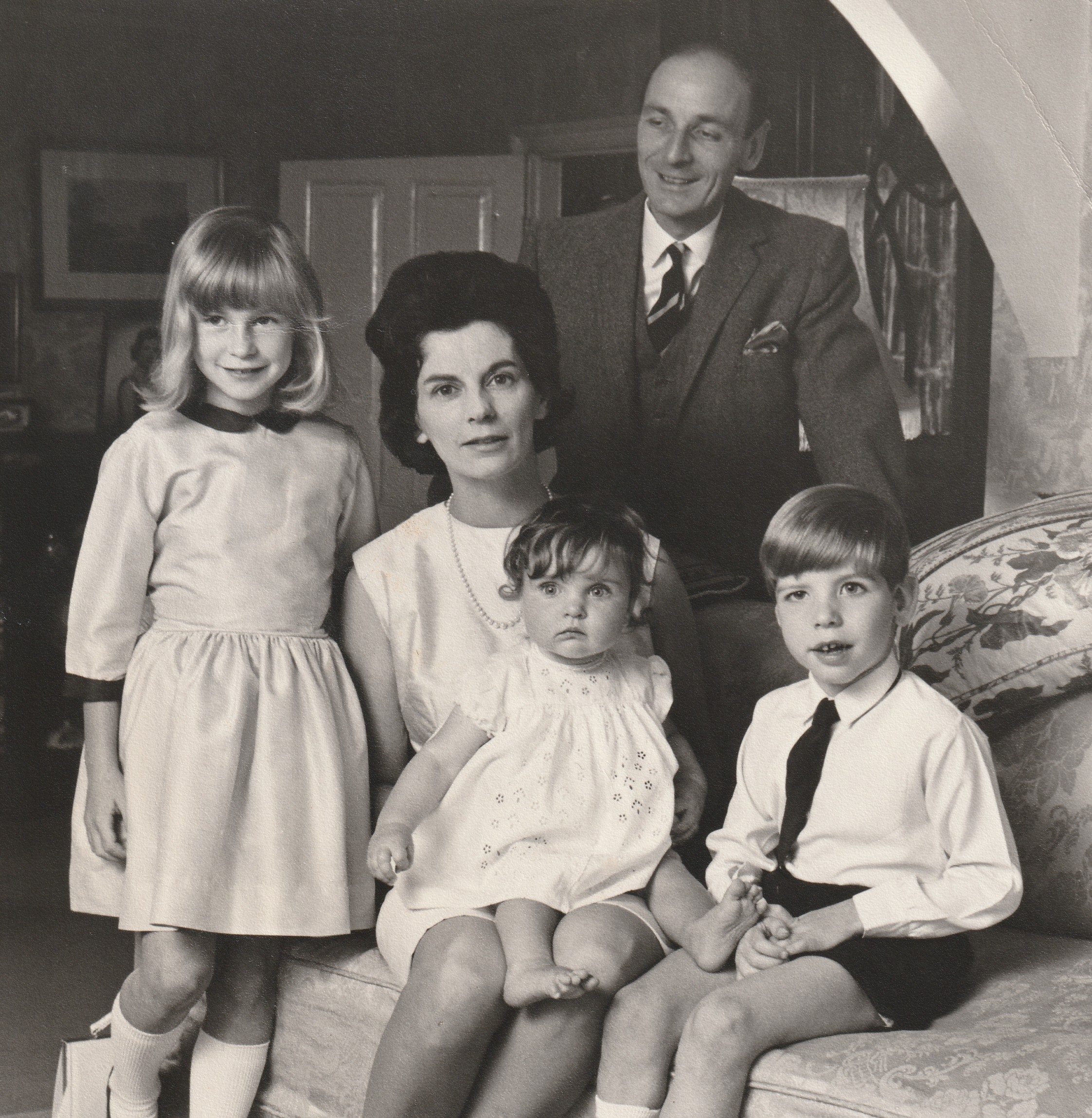
Pictured as a child with his sisters, Sarah and Charlotte, and their parents
He found Ludgrove “terrible”, with a “Dickensian atmosphere – it’s changed now, of course.” Constantly bottom of the class, he was terrible at games – unfortunate in a school where “being good at games was the ethos”. The headmaster supposed that he might be able to keep score during cricket, “but I never did,” he remembers; at other times he would be picked as the football goalie, where “I did nothing more energetic than search the grass for a four-leaf clover”.
Advertisement
He was sidelined even in his preferred drama department; one year, he was cast as one of Little Bo Peep’s sheep, his only line a well-rehearsed “Baaaah!” For this, his parents drove from Wiltshire in the snow to watch him, only for Richard Long to declare: “Your mother and I had no idea which sheep you were playing!”
After Ludgrove and a series of reports that suggested that “Harrow wasn’t going to take me and Eton wasn’t going to take me,” he was sent to Stanbridge Earls School in Hampshire, which specialised in children with learning difficulties. There he discovered photography, thanks to an inspiring teacher called John Bigglestone. And for his artistic muse, he found a girl called Dilly, two years older than him, whom he photographed in the bluebells in the school’s grounds. They remain firm friends to this day.
Beyond Dilly and the darkroom, Lord Long was badly bullied, having been targeted by a group of boys who “took great pleasure in making my life a daily hell by constantly ridiculing me”. As he writes, those with disabilities that “were harder to recognise” were targeted: “Children can be merciless about anything they cannot make sense of. My eye that moved differently, my mouth that pulled slightly to one side, my uneven gait – none of these were easy to explain, yet all were visible enough for them to make fun of me.”
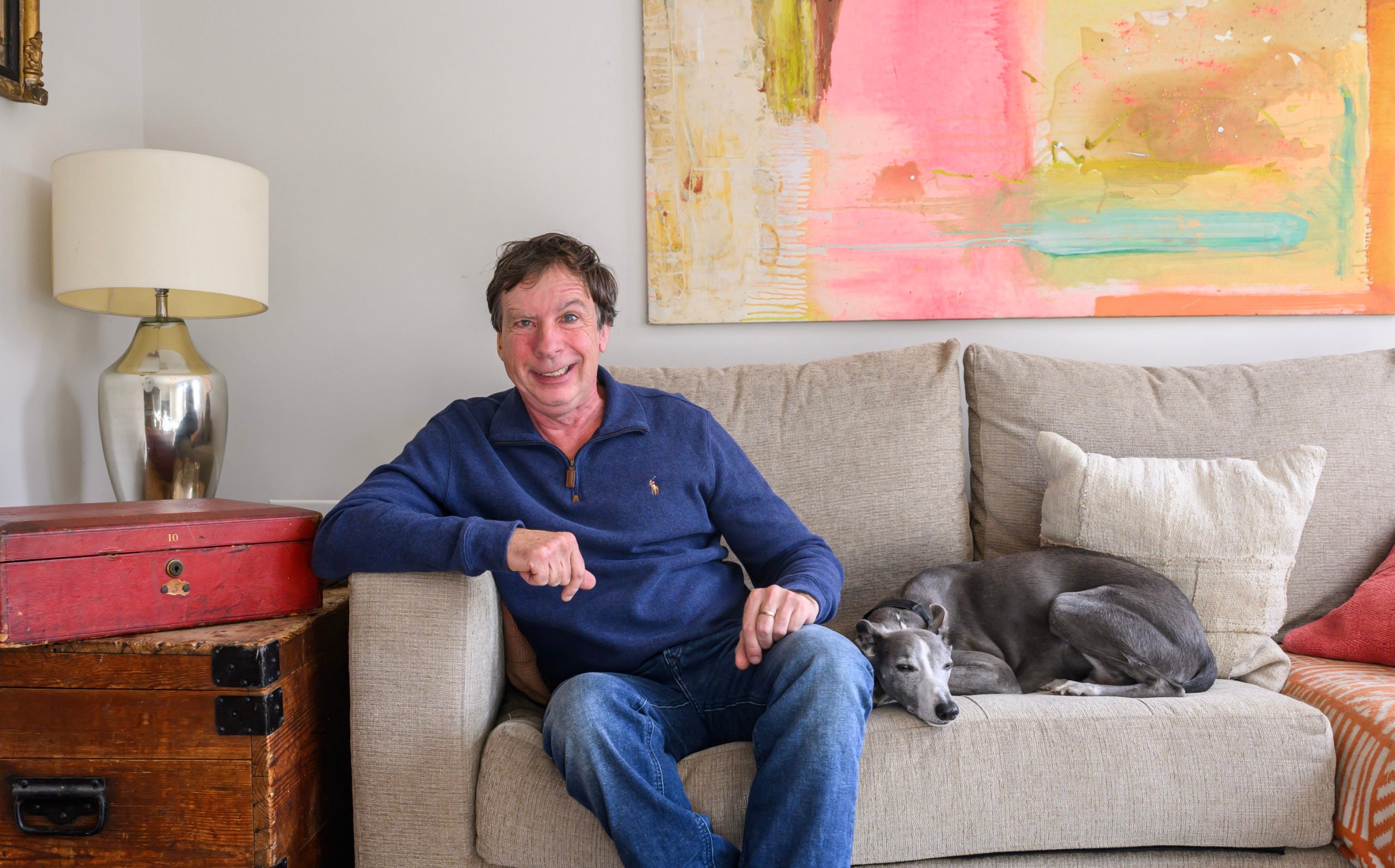
With the parliamentary red box once owned by his great-grandfather, the Unionist politician Walter Long, and his dog, Oscar - Paul Grover
Needing to communicate the reality to his parents, he devised a kind of Morse code method down the phone: “One tap: I’m having a terrible time. Two taps: they won’t leave me alone, they keep tormenting me, what should I do? Three taps: I’m really suffering, please come and get me now. Four taps: I’m fine.” This confused everyone and, in the end, was abandoned. Instead, the Longs spoke to the headmaster, but he “appeared indifferent” and nothing was done.
Now aged 65, he can see how attitudes towards those with disabilities have changed during his lifetime. “Most schools now have extra curricula [to support the less able]. I remember at Ludgrove they brought someone in [to help with] my hearing but it was so archaic, like that woman in Fawlty Towers. In the end, you gave up asking [for more].” Beyond school, “things have changed enormously in the media, on television – EastEnders, other programmes, all of those now have disability [representation]. The days of people with disabilities being in the shadows aren’t there any longer.”
On leaving Stanbridge Earls at 17, he moved to London to live with his older sister Sarah in Battersea; when she set up an art gallery in Knightsbridge, they established a makeshift photography studio. Self-taught to a large extent, photography was not, he writes, “an obvious choice”, since “my eyes cannot easily follow my subject”. Gradually he began to meet members of the fashion community and took to shooting up-and-coming models – and in time, photographing celebrities and fashion spreads for magazines including i-D, Cosmopolitan and Blitz.
This new world was exciting: “It felt totally liberating to be living in a city, free from the suffocating expectations of the countryside.” Having known that he was gay since he was at school – “there was always that thing of ‘I can’t possibly be, I’ve got responsibilities’” – he came out aged 18, first to Sarah, who hadn’t guessed, telling him, “I honestly had no idea you didn’t like girls”, and then subsequently to everyone he met. “I told everyone, you do! When I admitted it, it was like taking a deep breath and then letting it out really quickly – the euphoria of that. I felt suddenly untangled.”
Both of Lord Long’s parents met and knew his partner Joe; he was “an instant hit” with Margaret, who said: “Darling, I am so glad you have found someone kind and lovely to share your life with.” He never came out formally to his father, but Richard Long met Joe “and they got along,” he says. “I think he realised deep down that I wasn’t going to marry.” With his father’s acceptance of Joe, he writes, “the burden of him not knowing was finally over. Whatever future he had imagined for me, it no longer felt like pressure.”
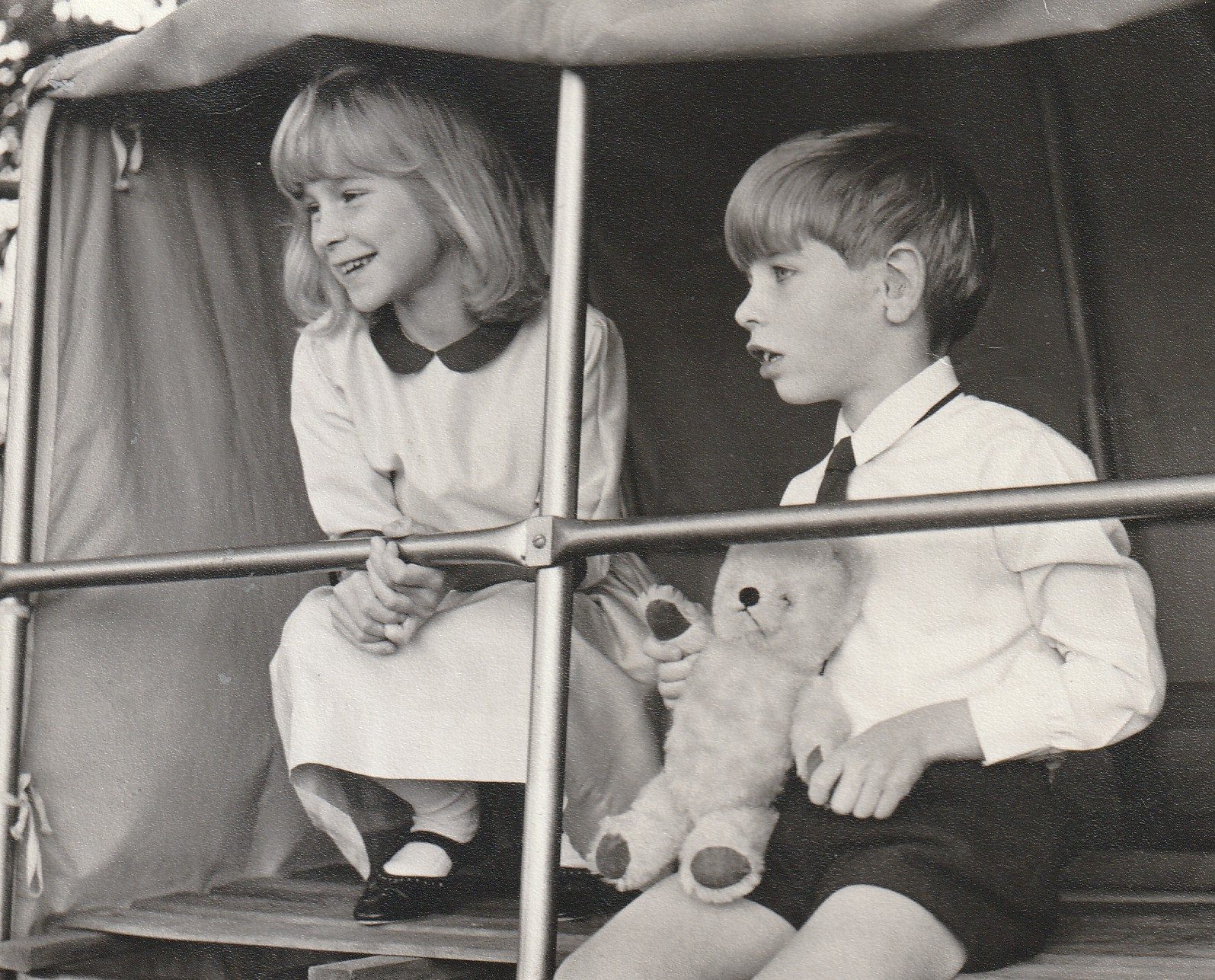
With his older sister Sarah, who he moved in with in London at 17 and was the first person he came out to as gay
Being gay in London during the Aids crisis was difficult, and he suddenly looks pained as he describes it. “You’d go to a club and the person you used to see at the bar wasn’t there anymore. Your reaction wasn’t, ‘oh, they’ve moved away’, but… The fashion business had quite a few people I knew who died. You were conscious of what you could do and what you couldn’t do. It was a terrible time.”
While he was glad to be “out”, he was wracked with an additional layer of guilt about who he was. With no brothers or male cousins to take on his father’s viscountcy in due course, he knew that he was the last in his line. If he didn’t produce a male heir – as people in his position had been drilled to do – then the title would become extinct. The only saving grace was that by the 1980s, the family had run out of money to look after their dilapidated Wiltshire seat of Steeple Ashton Manor, and they were forced to sell it, which broke his father’s heart. Today, though, Lord Long reflects that “had we owned a huge ancestral estate I probably would have been forced into a marriage”.
Consequently, he does not support male primogeniture, in which the eldest male inherits. “It should be changed so that it’s the eldest child,” he says. “It’s not to say that I’m not happy being Viscount Long but I would like to know when I die that the title went on. I am being victimised because I’m gay, for wanting to be myself – in doing so, I am losing the title.” Sarah, he says, who has campaigned for Daughters’ Rights, the group aiming to end male primogeniture, “would have been perfect for the role”.
Titles do become extinct from time to time when heirs run out. “But it wasn’t a choice for me to be [affected by] thalidomide and be gay. It’s going to become extinct because I haven’t followed the path. It’s not that I’m not proud that I’m gay. I’m open about it, but it’s non-negotiable. The title is history and it’s no different from having something very special that you want to hand down to the next generation.”
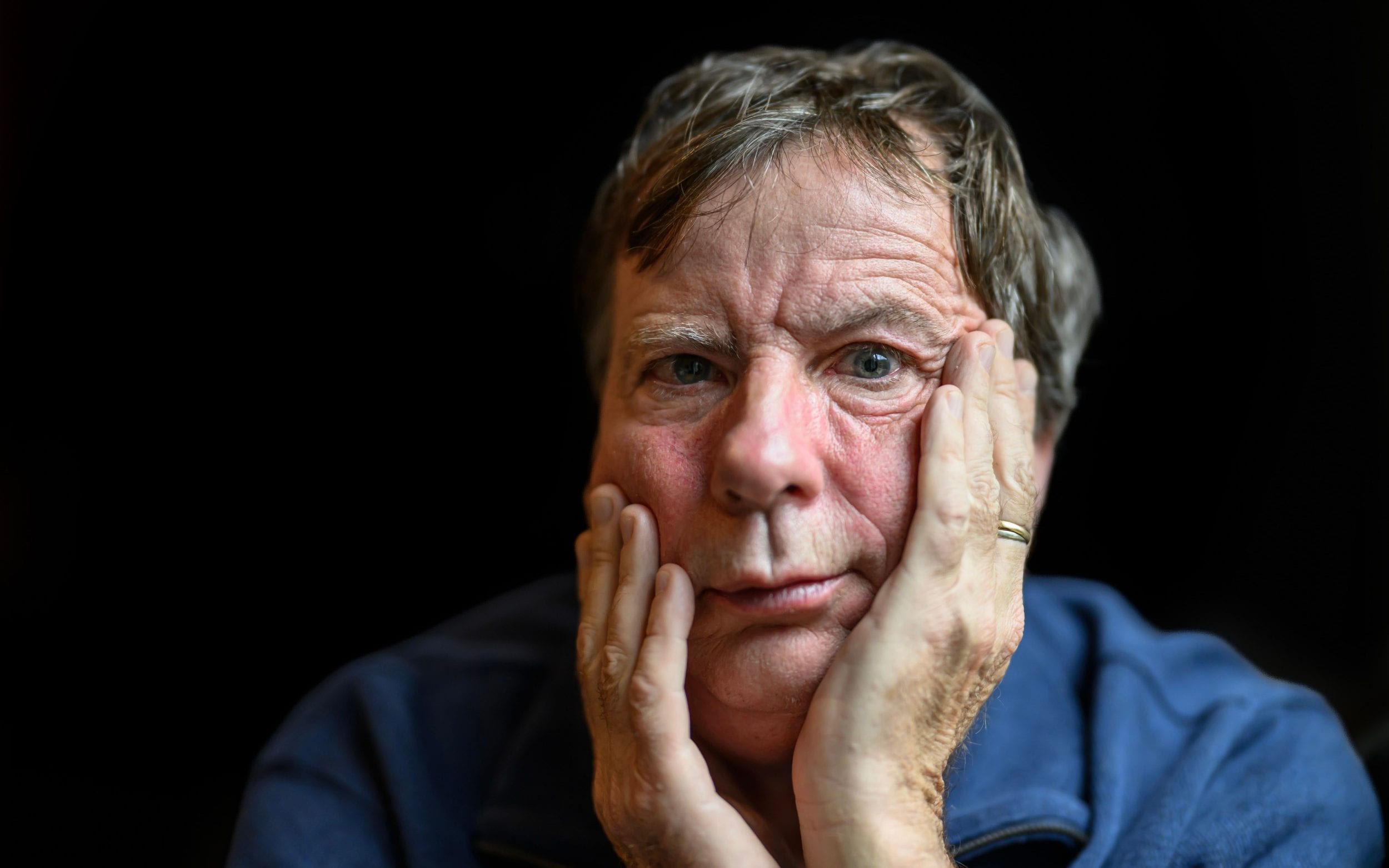
Long is the last in his family to hold the viscountcy because of male primogeniture, a system he opposes - Paul Grover
He laments the end of the hereditary peers in the House of Lords earlier this year, an institution to which his father was devoted. “He was there all the time. He had been given the CBE and he was lord-in-waiting [a government whip].” Had Lord Long been able to follow his father – admittedly not a natural speaker, “he should have done more towards thalidomide there” – into the Lords, he would have made thalidomide his focus. “That’s what really disappointed me. I would have loved it.”
In the seven years between his father’s death and the cessation of by-elections for hereditary peers in 2024, he didn’t stand for election. “Maybe I just didn’t know how to do it at the time. Would I have gone Conservative, like my father? Probably not, I’m a bit in between at the moment.”
Lord Long isn’t remotely snobbish about his position – far from it, he laughs about wanting to take his ancestral red box onto the BBC’s The Repair Shop. “My friends come from all walks of life. Some people don’t know what a viscount is – they think it’s a biscuit! They know what a lord is, but I think they think [a viscount] is a lot grander. People are disappointed when they realise that there’s no estate, that I live in a small flat in Fulham and I don’t go around wearing coronation robes.”
Is there a future for the aristocracy? “Yeah, we’ve got to keep it, we’ve got to try and hold on to hereditary titles, though that doesn’t help me.” As a hereditary peer and a “thalidomider”, he is a double minority. Some of his fellow survivors say: “‘Oh, it’s nice talking to a lord’ – they can’t get over the fact that a lord has been affected by thalidomide.” To what extent does he feel defined by it? He pauses. “I can’t really answer that. I am happy to say that I’m [a survivor of] thalidomide.”
Oscar gets up from the sofa to stretch, and Lord Long fusses him. Has his been a happy life? “Yes!” Next year, he and Joe will celebrate 30 years together; they haven’t yet married, though it’s been discussed. “I don’t know why we haven’t done it.” Are there things that you wish you had been able to do? “You’ve got me there. I think I wish I understood my mother more. I don’t know. I’m happy with life.”
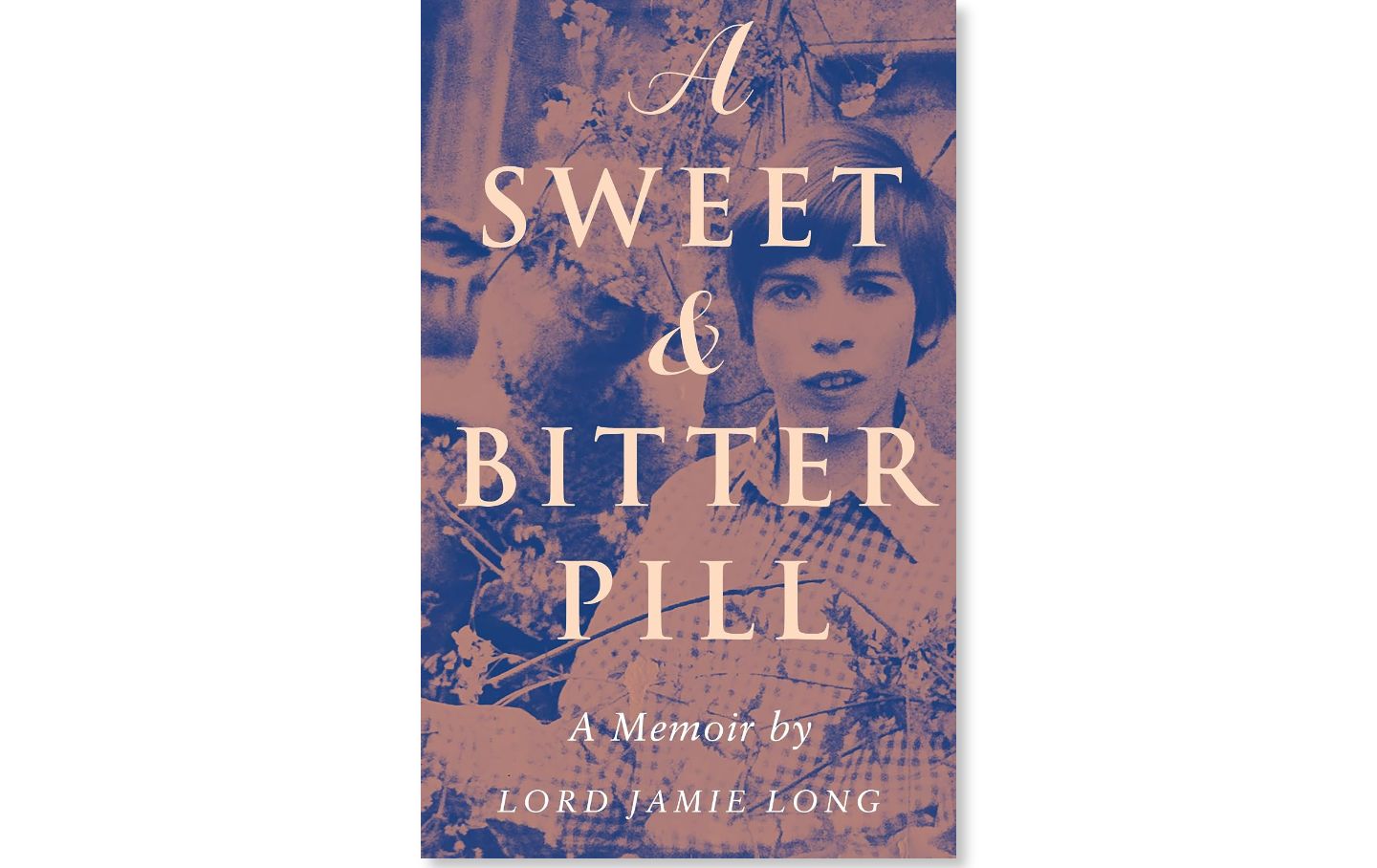
A Sweet and Bitter Pill is published by Chronos Publishing on November 12
Source: “AOL Entertainment”
